
Skip to content

Orthodontics

ChatGPT Image Jul 18, 2026, 12_31_17 PM

What is BRACES?

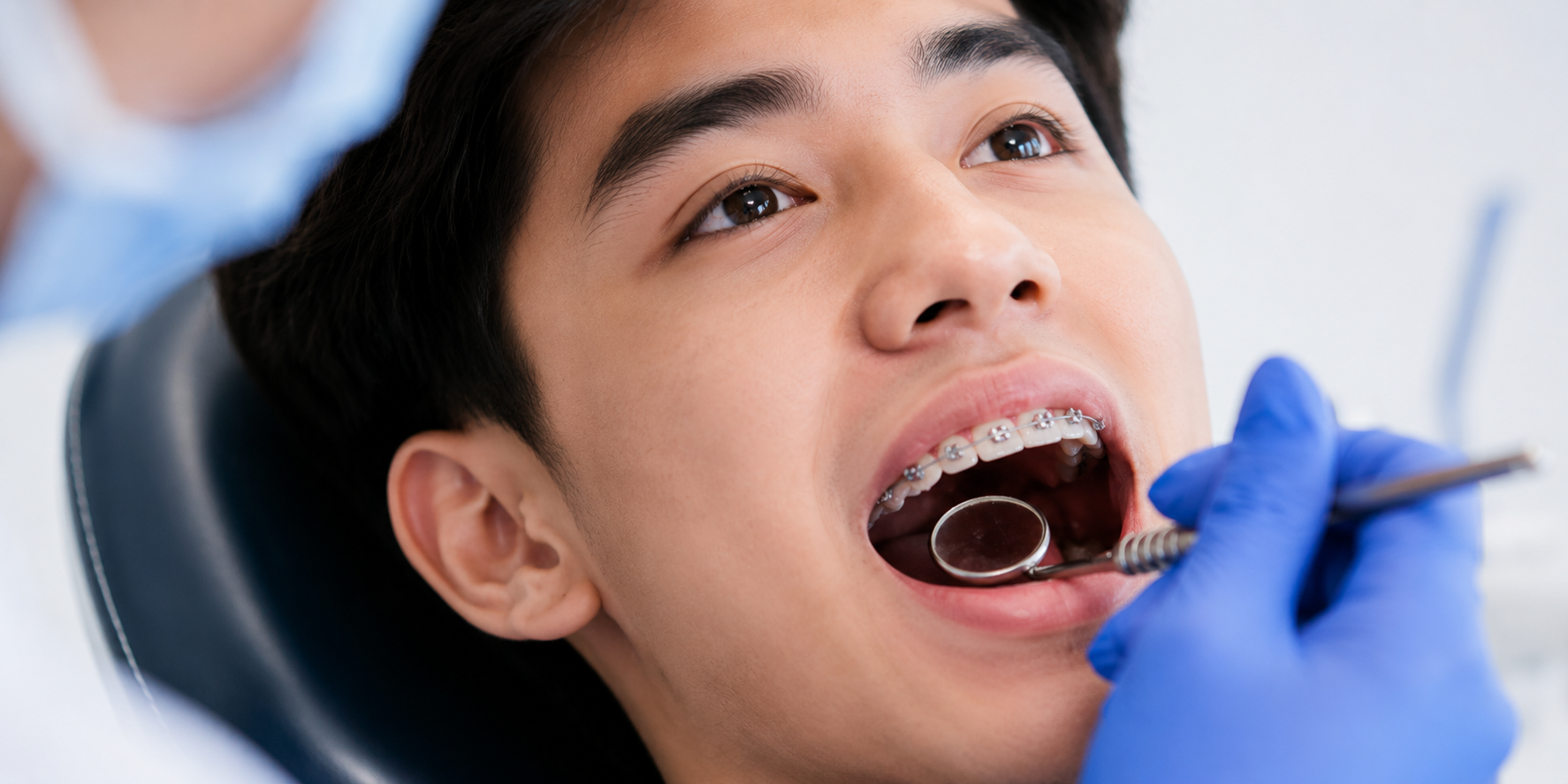
 Braces are orthodontic appliances used to correct the alignment of teeth and jaws. They apply gentle, continuous pressure to gradually move teeth into their ideal positions, improving both the appearance of the smile and the function of the bite. 

Types of Braces

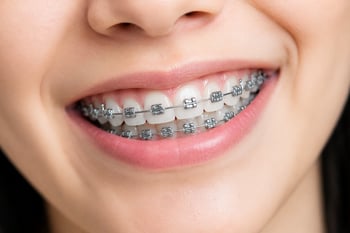
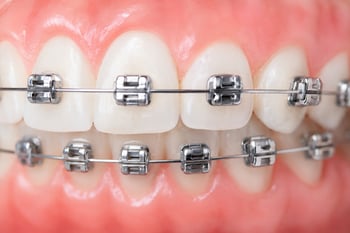
1. Traditional Metal Braces

The most common and durable type of braces.

Features:

  • Stainless steel brackets and wires
  • Elastic bands hold the wire in place
  • Suitable for mild to very complex cases

Advantages:

  • Highly effective
  • Most affordable option
  • Strong and durable

Disadvantages:

  • Most visible type
  • Elastic bands require replacement during adjustments

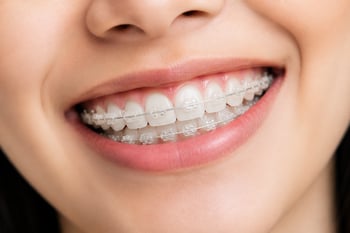
2. Ceramic Braces

Similar to metal braces but made from tooth-colored or clear ceramic materials.

Features:

  • Blend with natural teeth
  • Less noticeable than metal braces

Advantages:

  • More aesthetic appearance
  • Effective for many orthodontic problems

Disadvantages:

  • More expensive than metal braces
  • Brackets may chip more easily
  • Can stain if oral hygiene is poor
ChatGPT Image Jul 18, 2026, 12_43_21 PM

Traditional Braces

ChatGPT Image Jul 18, 2026, 12_43_28 PM

Ceramic Braces

3. Self-Ligating Braces

These braces use a built-in clip instead of elastic bands to hold the wire.

Features:

  • Available in metal or ceramic
  • Lower friction between wire and bracket

Advantages:

  • Easier to clean
  • Shorter adjustment appointments
  • No elastic ligatures to replace
  • May reduce discomfort during adjustments

Disadvantages:

  • Higher cost
  • Overall treatment time is not always shorter than traditional braces

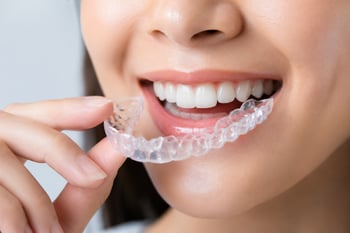
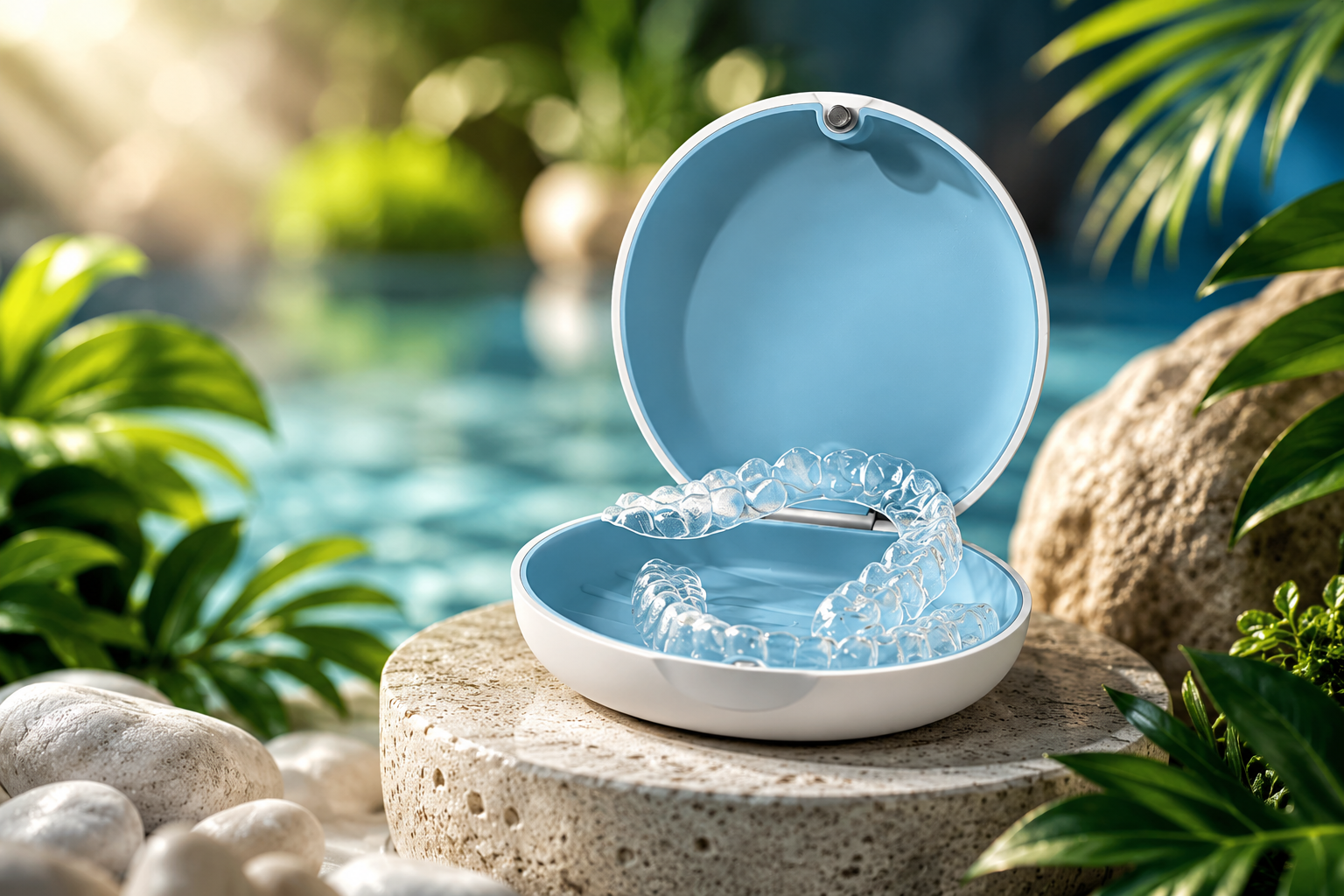
4. Clear Aligners

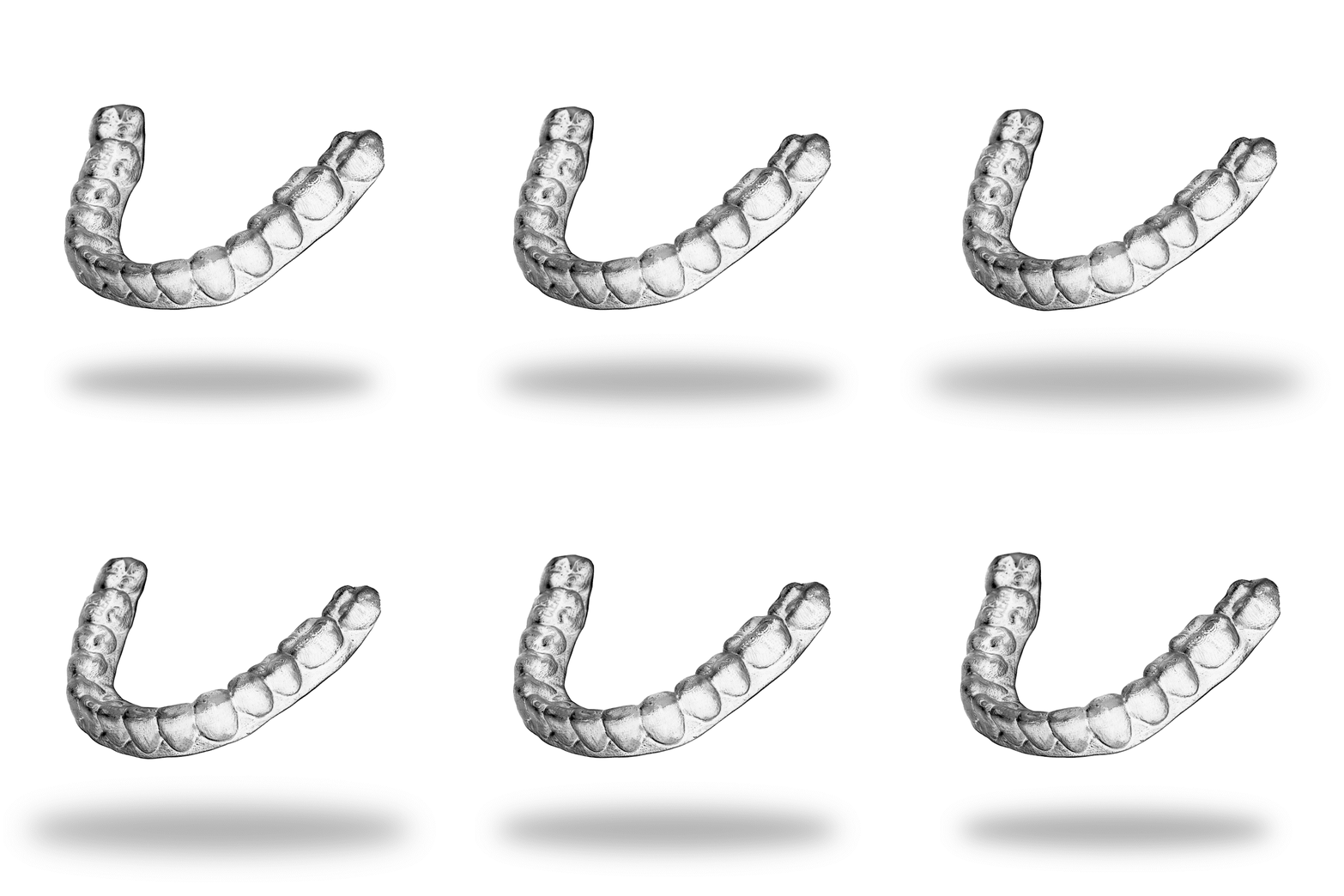
A series of custom-made, removable transparent trays that gradually move teeth.

Features:

  • Nearly invisible
  • Removable for eating and brushing

Advantages:

  • Excellent appearance
  • Comfortable
  • Easy to maintain oral hygiene
  • No food restrictions

Disadvantages:

  • Must be worn 20–22 hours per day
  • Not suitable for every complex orthodontic case
  • Usually more expensive than traditional braces
ChatGPT Image Jul 18, 2026, 02_07_04 PM

Self Ligating Braces

ChatGPT Image Jul 18, 2026, 02_04_03 PM

Clear Aligner

GETTING START

ChatGPT Image Jul 17, 2026, 09_32_00 PM-1

Step 1

Visit the dentist for initial consultation 
ChatGPT Image Jul 18, 2026, 02_16_00 PM

Step 2

Take x-rays and other dental records required. 
ChatGPT Image Jul 17, 2026, 09_33_42 PM-1

Step 3

Dental scaling is recommended before treatment. 
ChatGPT Image Jul 18, 2026, 02_13_09 PM

Step 4

Installment of Orthodontic fixture 
ChatGPT Image Jul 17, 2026, 09_41_20 PM-1

Step 5

Regular dental appointments. 

ChatGPT Image Jul 18, 2026, 02_14_37 PM

Step 6

De-banding of braces and preparing for retainers. 
TREATMENT

The principle of orthodontics is re positioning teeth by gradual force, causing the tooth to move.

The doctor will carefully plan the treatment. In addition, fixture adjustments are necessary, so regular visit is necessary to keep the treatment going.

DURATION OF TREATMENT

Typically, it takes about 2-5 years, depending on the complexity ofcase and the structure of each tooth.

So the time may not be the same in each person. The doctor will determine the nearest estimate for each case.

CANDIDATE FOR TREATMENT

Normally, Orthodontics can be started at age where all permanent teeth have erupted, in exception to a few cases.

Before the treatment a consultation with a dentist is best to find the correct and appropriate treatment.

4D Shaped Memory Clear Aligner

 Straighten your smile faster, more comfortably, and sustainably with the next generation of shape-memory clear aligners — now available in Yangon. 

ChatGPT Image Jul 14, 2026, 01_20_31 PM-1

The 4D Difference

Traditional clear aligners are static — you wear one rigid shape until it's time to throw it away and move to the next tray.

Our clinic utilizes advanced 4D Shape-Memory Polymer technology. The "fourth dimension" is time and temperature. These smart aligners are pre-programmed to change shape mid-treatment when activated by heat. This means a single aligner can dynamically adapt and perform the work of multiple traditional trays, delivering a continuous, gentle force to guide your teeth into perfect alignment.

clear aligner angled shape shift new-1

Why Choose 4D Aligners?

Benefit How It Helps You
Fewer Trays, Less Waste Because one aligner does the work of two, your treatment generates 50% less plastic waste — making this the most eco-conscious choice in orthodontics.
Accelerated Results The shape-shifting technology minimizes the "lag" in tooth movement, safely accelerating your journey to a perfect smile.
Superior Comfort The smart polymer uses a flexible, multi-layer structure that applies a steady, gentle corrective force, reducing the harsh pressure felt with traditional rigid plastics.
Fewer Clinic Visits Because you activate the next phase of your aligner at home, you spend less time in the dental chair and more time living your life.

Start Your Journey to a Straighter Smile

If you're looking for a discreet and comfortable way to straighten your teeth, clear aligners may be the right choice for you. Schedule a consultation with our team to learn more about your treatment options.

Book Your Clear Aligner Consultation